Valterra Platinum Opens 15 Learner Miner Positions in Thabazimbi for 2026
A practical guide to the daily underground shift, strict medical screening, and long-term career path of a mining learnership in Limpopo.

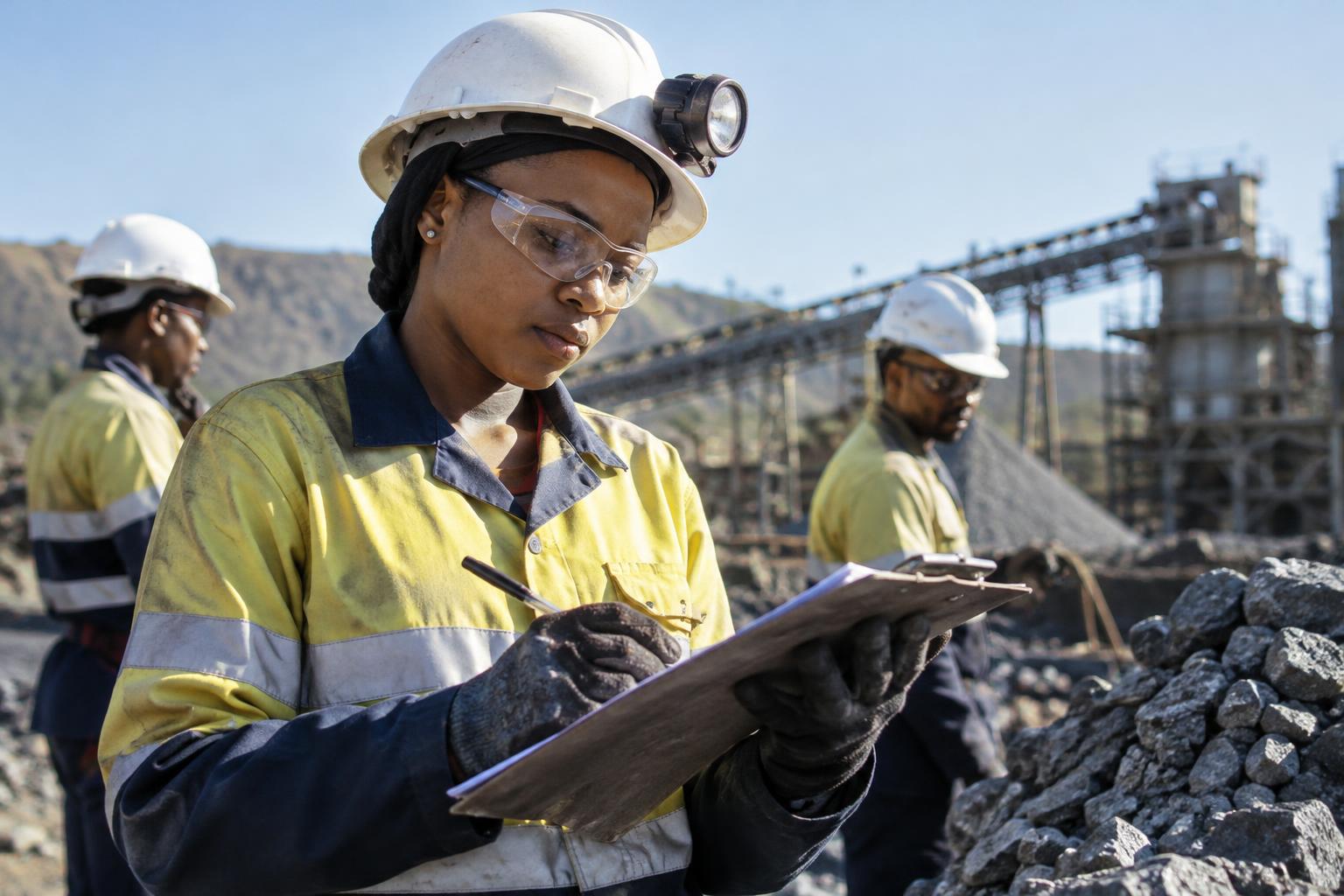
What the work actually looks like
Underground mining is loud, damp, hot, and dark. A typical morning shift on a platinum mine near Thabazimbi starts well before dawn, around 05:00, at the shaft head.
Your day begins in the lamp room. You draw your cap lamp, battery pack, and self-contained self-rescuer unit, clip them onto your belt, and register your brass token. That token is how the mine monitors who is underground at any minute. You put on your full personal protective equipment: gumboots or boots with metatarsal guards, high-visibility overalls, gloves, ear protection, safety glasses, and a hard hat.
By 05:45, you join your work crew waiting for the cage, the industrial lift that carries dozens of workers down the shaft. The drop takes a few minutes, descending hundreds of metres into the earth. When the cage doors open, you step out into the shaft station, where the ventilation fans create a steady rush of cool air. From there, you walk along haulages and crosscuts, sometimes covering a kilometre or more through tunnels lit only by cap lamps and overhead service lights, heading toward the working stope.
Once at the working face, the temperature rises. The shift starts with a mandatory safety briefing and risk assessment. Before anyone touches rock, the team tests the atmosphere for flammable and toxic gases. You inspect the hanging wall (the roof) and sidewalls, checking support anchors and sounding the rock with a pinch bar to detect loose slabs that could fall.
As a learner miner, your day alternates between structured study modules and practical physical work alongside a qualified rock breaker. An ordinary day might include:
- Carrying and connecting drill steels and water hoses for rock-drilling machines.
- Marking off the rock face using paint and measuring sticks to ensure correct blast patterns.
- Watching or assisting with charging drill holes with explosives, following strict safety codes.
- Installing permanent and temporary support systems, such as timber props, mechanical jacks, and rock bolts.
- Keeping your training logbook up to date with the tasks completed during the shift.
By early afternoon, the working face is secured, holes are charged, and non-certified personnel retreat toward the shaft before blasting takes place at shift change. You ride the cage back to the surface, hand in your lamp and rescue pack, record your hours, debrief with your instructor, shower, and pack up. It is a long, physically demanding day.
Who tends to do well in this role
People who cope best in underground mining are those with high physical stamina and strong sensory awareness. You must be comfortable working in tight, enclosed spaces where natural light does not exist. If you experience claustrophobia or panic when working in high heat and humidity, underground operations will prove overwhelming.
Discipline matters far more than bravado in this environment. The Mine Health and Safety Act sets rigid protocols for a reason: cutting corners underground can kill you or your team members. Candidates who thrive are naturally cautious, listen carefully, follow step-by-step instructions without deviation, and are not afraid to stop work if they see a hazard.
Clear communication is another essential trait. Underground noise from heavy machinery, drilling, and ventilation means you must learn to read non-verbal signals, speak loudly and concisely, and verify instructions before acting.
What the employer is really screening for
Competition for learner miner vacancies in Limpopo is fierce. Mines evaluate candidates on specific operational hurdles before making an offer.
First, geographic verification is non-negotiable. Mining companies in South Africa operate under strict Social and Labour Plans (SLPs) registered with the Department of Mineral Resources and Energy. Valterra Platinum prioritises residents from the host communities surrounding the Amandelbult complex. Proof of residence, tribal authority letters, or municipal documentation are checked thoroughly to ensure opportunities benefit local youths.
Second, the medical examination is a major filter. Even with great school marks, you cannot be hired without passing the fitness test at the mine occupational health centre. This assessment covers:
- Heat tolerance screening (stepping up and down in a heated chamber to measure heart recovery).
- Audiometric screening (hearing tests to ensure base fitness before exposure to noise).
- Spirometry and chest X-rays to verify healthy, clear lungs.
- Vision, colour perception, and drug screening.
Third, foundational numeracy counts. The requirement for a solid pass in Mathematics or Mathematical Literacy exists because mining involves continuous calculation. A miner must calculate blast hole spacing, gauge support densities, measure ventilation airflow, and read mine survey plans accurately.
Finally, a clean criminal record is necessary. Because learners train toward working with commercial explosives, legal regulations restrict access for individuals with criminal records.
Where it can lead
A learner miner contract is not a permanent desk post; it is an apprenticeship path aimed at one primary goal: earning your Blasting Certificate for Hard Rock (Metalliferous) Mines. This qualification is issued through the state and recognized across the entire southern African mining sector.
Once qualified, you can apply for posts as a certified Miner or Stope Miner, responsible for managing your own crew, face preparation, and blasting. From there, the career path can advance into supervisory roles:
- Shift Boss (managing multiple mining crews and monitoring safety standards across an entire section).
- Mine Overseer (overseeing whole shaft levels or operations).
- Production Manager or Mine Manager, which requires writing the government Certificate of Competency.
A completed learnership builds portable technical skills. Experienced miners with certified credentials can transfer between commodities, moving from platinum into gold, manganese, iron ore, or chrome operations throughout South Africa.
Apply for this job
Learner Miner Learnership (24–30 Months, 15 Posts) at Valterra Platinum · Thabazimbi
View the listing and applyRead next
- Sasol Opens 36-Month Artisan Learnership in Secunda Across Five TradesMatric or N3 holders with Maths and Science can train as fitters, electricians, welders, riggers or instrumentation technicians. Applications close on 23 October 2026.
- 14 learnerships and internships closing before 4 November 2026Exxaro, Sasol and SITA close on 16 October. Here are all 14 open opportunities closing in the next three weeks, soonest deadline first, with what to prepare.
- Bosch YES Programme 2026/27 Offers 12-Month Placements for Matriculants in MidrandBosch is offering 12-month Youth Employment Service placements for unemployed South African youth with a Matric qualification. Opportunities are available at the company's Midrand offices and Brits manufacturing plant.
- SITA Graduate Learnership 2026/27 in Gauteng Closes 16 October 2026The State Information Technology Agency is inviting unemployed graduates in Gauteng to apply for a 12-month learnership programme. Successful candidates will gain practical public-sector ICT experience before applications close on 16 October 2026.